Winter outerwear has a funny habit of making people choose between looking good and actually staying warm. A thin fashion coat might look great for ten minutes outside a café, but it isn’t nearly as appealing when the temperature drops and the wind starts cutting through it.
That’s where a good shearling coat earns its keep.
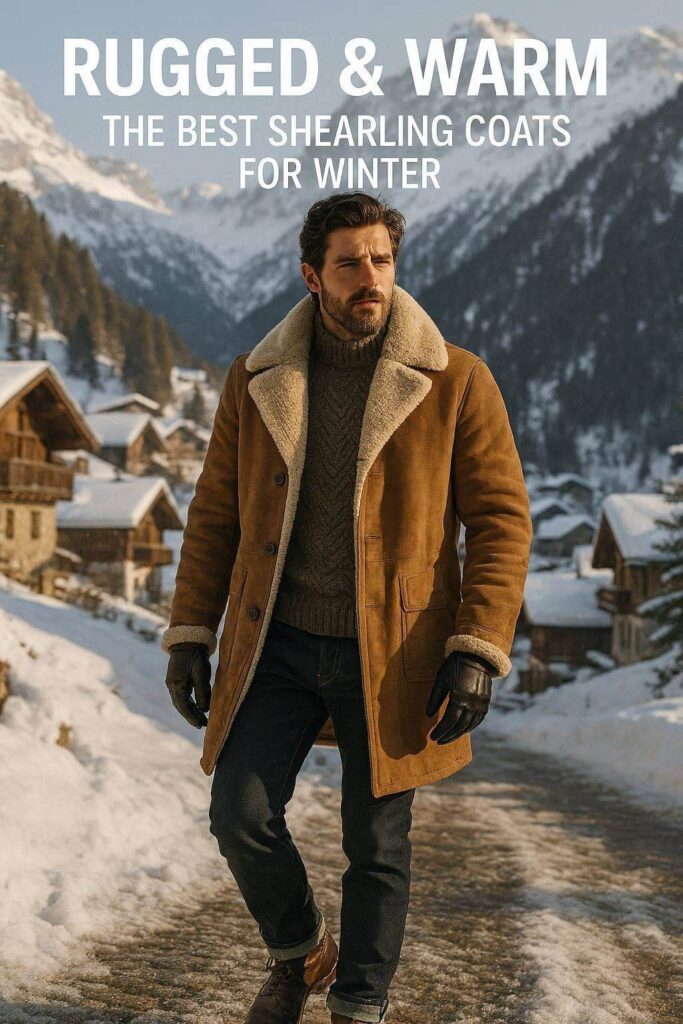
Shearling has that unmistakable rugged Western feel, but the right cut can look surprisingly polished too. The trick is choosing the right type, understanding how bulky the insulation really is, and pairing it with clothes that don’t turn the whole outfit into a giant pile of fabric.
Here’s how to choose a shearling coat that works for real winter days—not just photographs.
What Makes Shearling So Warm?
Shearling is sheepskin with the wool left attached to the hide. That combination gives it a distinctive structure: a leather outer surface and wool insulation on the inside.
The wool traps air, which helps provide insulation, while the leather side offers some protection from wind and weather.
But not every “shearling” coat is actually the same thing.
You may see:
- Genuine shearling
- Shearling-lined leather
- Shearling-style synthetic materials
- Faux shearling
- Sheepskin coats with varying wool density
Genuine shearling can be wonderfully warm, but it can also be heavy and expensive. A synthetic version may be lighter, easier to clean and cheaper, although the insulation, breathability and long-term durability can differ.
That distinction matters.
If a coat will be worn for long walks, outdoor events or cold commuting, insulation and construction should matter more than the label on the chest.
The Best Shearling Coat Styles for Winter
1. Classic Shearling Aviator Jacket
The aviator is probably the easiest starting point.
Think leather exterior, thick shearling collar and wool lining. The shorter length keeps the jacket relatively easy to move around in, which is useful for driving, shopping and everyday wear.
It works especially well with:
- Straight-leg jeans
- Heavy cotton T-shirts
- Flannel shirts
- Western boots
- Chunky knitwear
The downside? A short jacket doesn’t protect the thighs from cold wind.
For a mild winter, that’s fine. For freezing temperatures, a longer coat makes more sense.
2. Long Shearling Coat
A longer shearling coat provides substantially more coverage and creates a stronger silhouette.
It works particularly well over:
- Dark denim
- Corduroy trousers
- Wool trousers
- Heavy knit sweaters
- Chelsea or Western boots
A longer coat can visually dominate an outfit, though. That’s why the clothes underneath should usually stay relatively streamlined.
A huge sweater plus a long, thick shearling coat can quickly become cumbersome.
3. Shearling-Lined Suede Coat
Suede and shearling are a natural pairing.
The soft nap of suede gives the coat a slightly more refined appearance than heavily distressed leather, while the wool lining keeps the rugged character intact.
This is a great choice for someone who wants Western influence without looking like they’re dressed for a ranch every day.
Try:
Suede shearling coat + cream knit + straight dark jeans + brown boots
The contrast between the pale knit and darker suede creates visual separation without needing lots of accessories.
4. Shearling Duffle Coat
A duffle-style shearling coat leans more casual and traditional.
The toggles and longer body make it practical for winter walks, travel and weekend wear. It isn’t the most streamlined option, but that’s part of its appeal.
Wear it with relaxed denim and sturdy boots rather than trying to make it overly formal.
5. Faux Shearling Coat
Don’t automatically dismiss faux shearling.
A well-made synthetic coat can be a sensible choice if budget, animal-free materials or easier maintenance matter more than owning genuine sheepskin.
Look closely at the pile, though. Very long, fluffy synthetic fibres can sometimes look costume-like and may flatten or mat with wear.
A shorter, denser pile often looks more convincing and is easier to style.
How to Choose the Right Shearling Coat
Check the bulk
This is one of the biggest mistakes people make.
A coat can look fantastic on a hanger but feel enormous once a sweater is underneath it.
Try the coat over the thickest layer you realistically expect to wear.
Raise your arms. Sit down. Zip or button it. Walk around.
If the shoulders pull or the sleeves ride up dramatically, the coat isn’t practical enough.
Look at the shoulder construction
A dropped shoulder creates a relaxed silhouette, while a more structured shoulder gives the coat a sharper appearance.
If the coat is already very thick, excessive shoulder volume can make the upper body look much broader.
A cleaner shoulder often balances heavy shearling better.
Pay attention to sleeve length
Shearling cuffs can make sleeves look shorter than they actually are.
Your wrist should remain covered when your arms are relaxed. If the cuff sits several centimetres above the wrist, cold air can easily sneak in.
Think about the hem
A hip-length shearling jacket is more mobile.
A thigh-length or knee-length coat provides more warmth.
Neither is automatically better. It depends on what the coat is actually being used for.
What to Wear With Shearling
The simplest formula is:
Shearling coat + straight denim + knit top + boots
It works because the proportions are easy to control.
If the coat is oversized, choose jeans with a relatively clean leg. If the coat is shorter and more fitted, wider trousers can work because the shorter hem gives the lower half room to carry more volume.
Western version
- Brown shearling jacket
- Faded straight-leg jeans
- Western belt
- Cream henley
- Brown leather cowboy boots
Keep the accessories simple. A shearling collar already adds plenty of visual texture.
More polished version
- Black shearling coat
- Charcoal wool trousers
- Fine-gauge knit
- Leather boots
- Minimal watch
The result feels more city-friendly without losing the rugged character of the coat.
Colour Choices That Make Sense
Brown is the obvious Western-friendly choice, but it isn’t the only one.
Brown shearling
Works beautifully with:
- Cream
- Ecru
- Dark denim
- Olive
- Rust
- Black
Black shearling
Creates a sharper, more urban appearance.
Pair it with:
- Grey
- Black
- Dark blue
- Off-white
- Charcoal
Tan or camel
This is softer and more casual.
It looks especially good against dark blue denim because the contrast separates the coat from the trousers.
Common Shearling Coat Mistakes
Buying too large
Oversized is not the same as roomy.
A shearling coat needs enough space for layers but shouldn’t swallow the shoulders.
Ignoring weight
Real shearling can be surprisingly heavy.
If you’ll be wearing it for hours, weight matters. A beautiful coat that becomes uncomfortable after 30 minutes isn’t particularly useful.
Wearing too much texture underneath
Shearling + chunky knit + heavy corduroy + suede boots can become visually noisy.
Try keeping one or two pieces relatively smooth.
Treating suede like waterproof outerwear
Suede and moisture aren’t best friends.
Check the manufacturer’s care instructions and don’t assume a suede shearling coat should be worn in heavy rain simply because it’s a winter coat.
Advanced Tips Most People Miss
1. Match visual weight, not just colour.
A very heavy shearling coat looks better with substantial footwear. Tiny minimalist trainers can make the coat feel top-heavy.
2. Keep the trousers cleaner as the coat gets bigger.
This creates a visual taper from the outerwear down to the shoes.
3. Use a light inner layer to break up dark outerwear.
A cream or oatmeal knit under a brown or black shearling coat creates separation around the face and chest.
4. Don’t automatically match every leather item.
A brown coat with slightly different brown boots can look more natural than forcing every accessory into exactly the same shade.
Shearling Coat Comparison
| Style | Best For | Main Advantage | Main Drawback | Styling Difficulty | Versatility |
|---|---|---|---|---|---|
| Aviator | Everyday wear | Easy movement | Less leg coverage | Low | High |
| Long shearling | Very cold weather | Excellent coverage | Heavy and bulky | Medium | Medium |
| Suede shearling | Smart-casual looks | Softer appearance | Requires care | Medium | High |
| Duffle | Casual weekends | Comfortable layering | Less streamlined | Low | Medium |
| Faux shearling | Budget-conscious buyers | Lower price and easier care | Quality varies | Low | High |
Winter Shearling Checklist
Before buying, check:
- Can it fit over a sweater?
- Are the shoulders comfortable?
- Do the sleeves cover the wrists?
- Is the coat too heavy for regular wear?
- Does the hem suit the weather?
- Is the material practical for your climate?
- Can it be cared for properly?
- Does the colour work with existing trousers and footwear?
If you’re buying just one, a medium-length brown or dark neutral shearling coat with enough room for a knit layer is an easy place to start.
Then build the outfit around the coat instead of trying to make every other item compete with it.